
Track Record
23 years of sustainable development, rural and urban.
WHAT WE HAVE DELIVERED
Over R25 million raised and implemented for community, educational, environmental and sustainable development projects.
Across projects led by Afristar and by its Chief Natural Capital Officer.
- Art & Craft
- Skills development
- Permaculture training and gardens
- Permaculture medicinal gardens
- Documentaries
- Education
- Ecological design
- Landrace cannabis advocacy since 1996
130,000
learners through the Walter Sisulu Environmental Centre
20,000+
trees planted in Mamelodi homes, schools, libraries and clinics
250,000
permaculture educational posters printed and distributed, across a series of 20
August 2007
Vhembe Biosphere and Sustainable Livelihoods Expo, Western Soutpansberg
Organised and implemented by Afristar for the Leshiba Community Development Trust, with the Limpopo Department of Economic Development, Environment and Tourism, at the Schoemansdal Environmental Centre. More than 2,500 people came to see a Venda homestead turned into a productive food and medicinal garden in four months, solar cooking, water pumping and heating, and Venda baskets, carving, pottery and textiles. We created 50 displays for later use in schools, and trained community artists to paint the village bus stops as billboards for the event.
The main funder was the EU's Conference, Workshop and Cultural Initiative Fund, with Rio Tinto Exploration and Leshiba Wilderness.
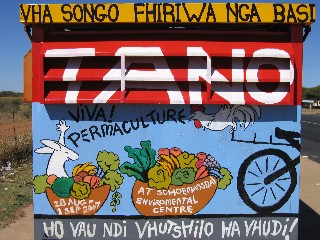 A village bus stop, painted by community artists.
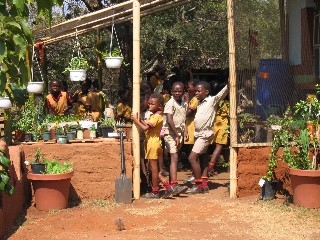 Children in the household nursery.
 The demonstration garden, grown in four months.
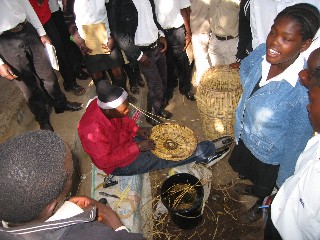 Venda basket weavers.
 Training community artists.
 The homestead garden in full growth.

2001 to 2014
Walter Sisulu Environmental Centre, Mamelodi, Pretoria
Nicholas Heinamann was project manager. He conceptualised the centre, raised the funds and oversaw its construction. Interactive classrooms, appropriate technology displays and a permaculture demonstration garden served schools across the district, and more than 130,000 learners came through during his tenure. The centre remains in operation today.
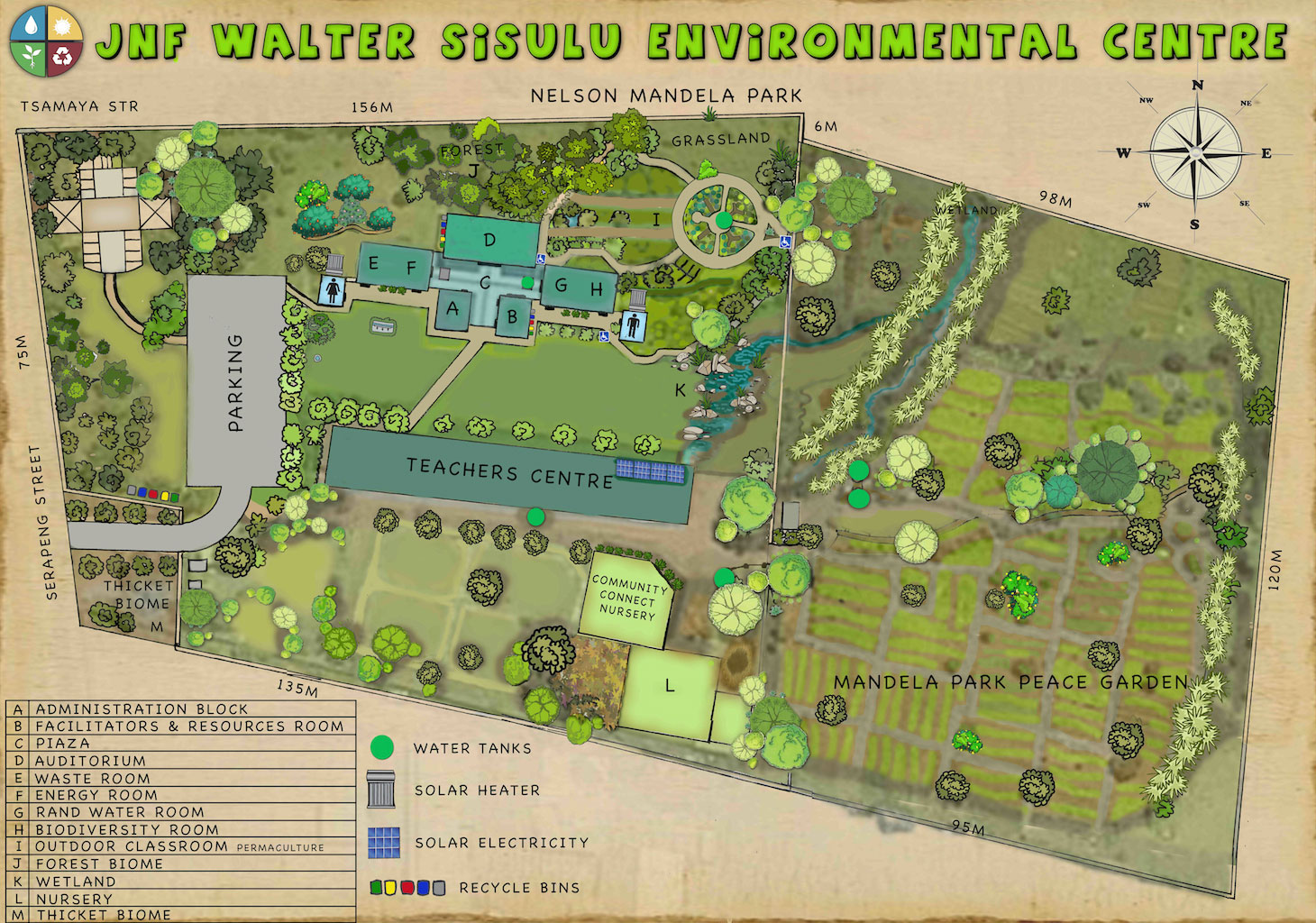
Site plan of the centre and the Mandela Park Peace Garden.
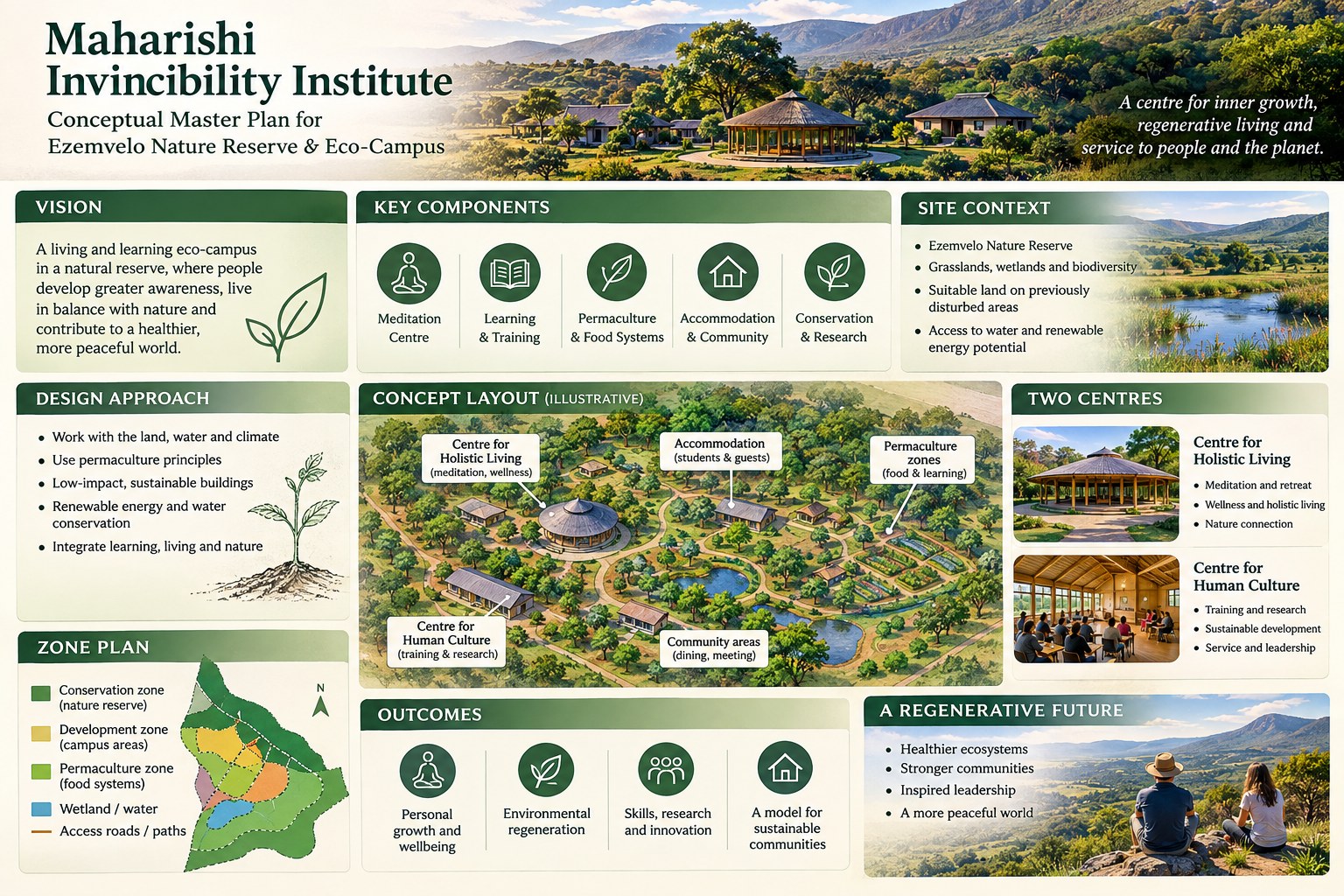
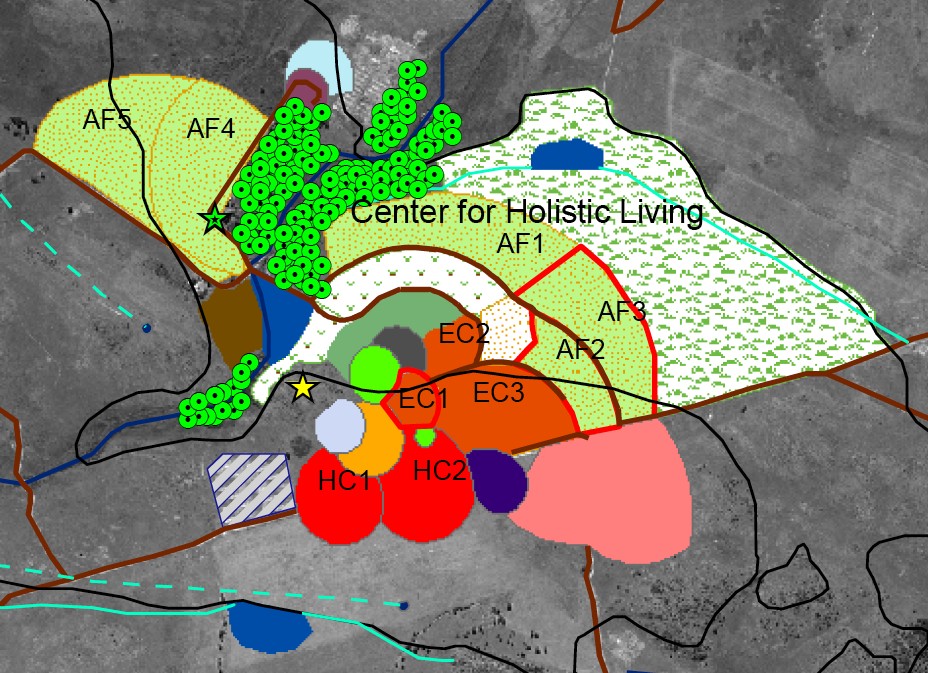
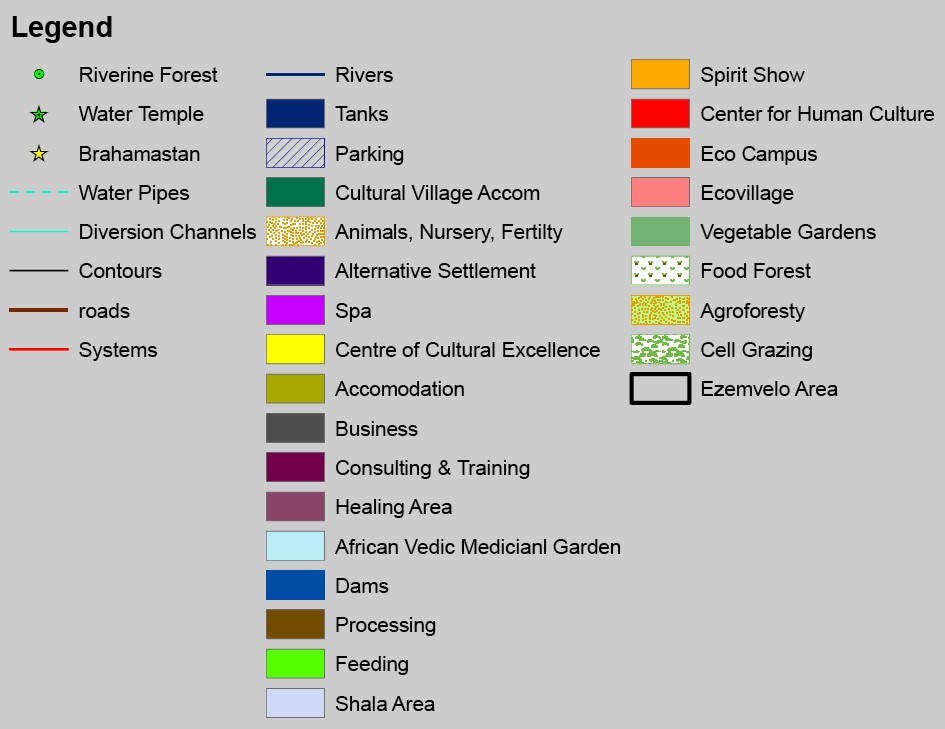
Conceptual master plan
Maharishi Invincibility Institute eco-campus, Ezemvelo
Ecological design and land use plan for a rural campus and conservation education centre.
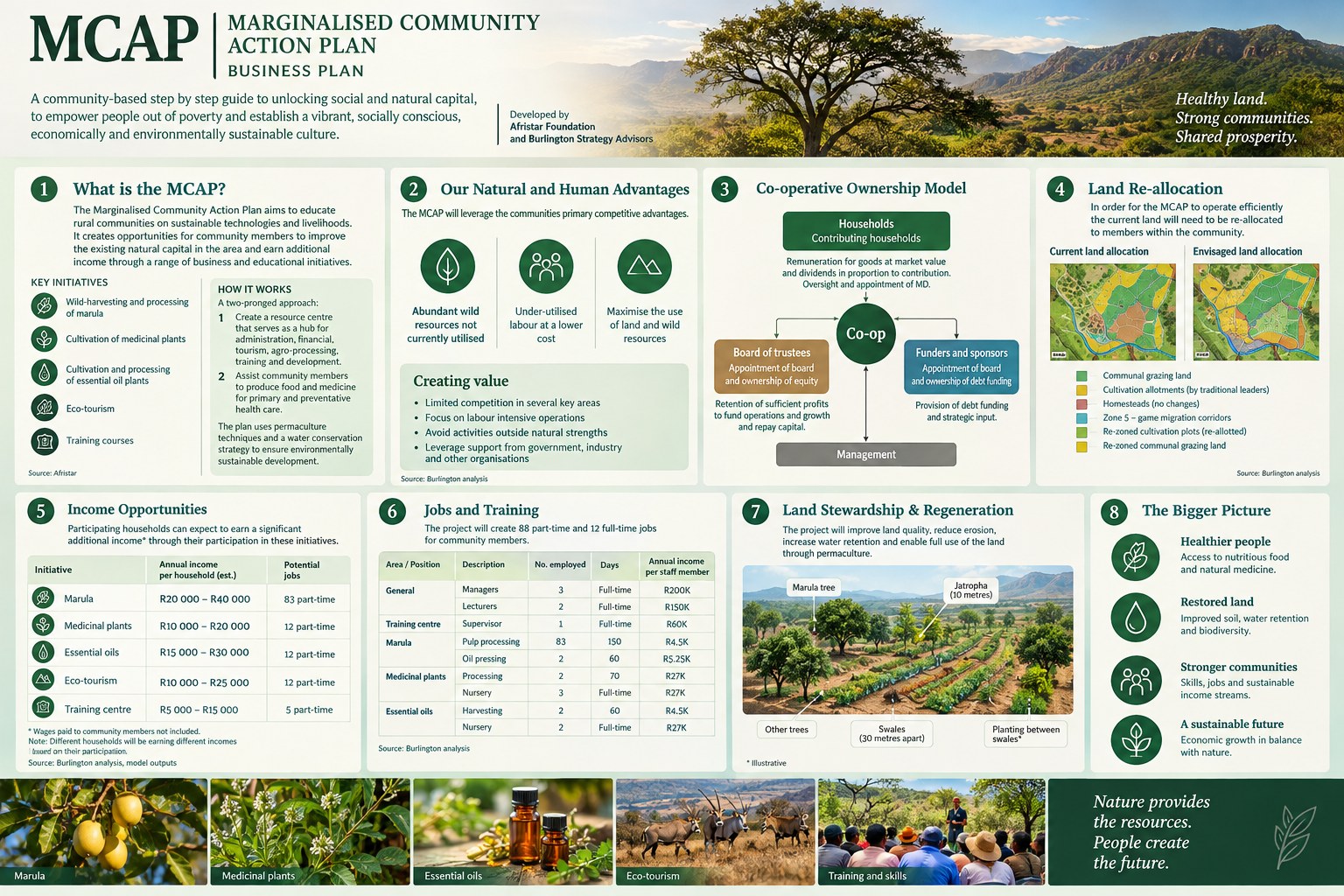
2009
Marginalised Community Action Plan, Waterberg
EU-funded green economic strategy for Ward 5 of Mogalakwena Municipality. It is the foundation of our bioregional model. Read more

Mamelodi Greening Programme
Afristar's role was implementation facilitator. The programme planted more than 20,000 trees in homes, schools, libraries and clinics, trained community foresters and built a community nursery to supply future greening.

2004 and 2005
HP i-community permaculture gardens, Limpopo
Afristar designed the permaculture medicinal garden component of a Hewlett-Packard and Presidency partnership on ICT for rural development in Limpopo. The partnership grew out of the 2002 World Summit on Sustainable Development, and President Thabo Mbeki opened it with HP CEO Carly Fiorina.
The gardens are built around primary and preventative health care and draw on local indigenous knowledge. The first was launched in September 2004. The second followed in 2005 at Dipichi, a village 90 km from Mokopane.
Western Soutpansberg, Limpopo
Leshiba
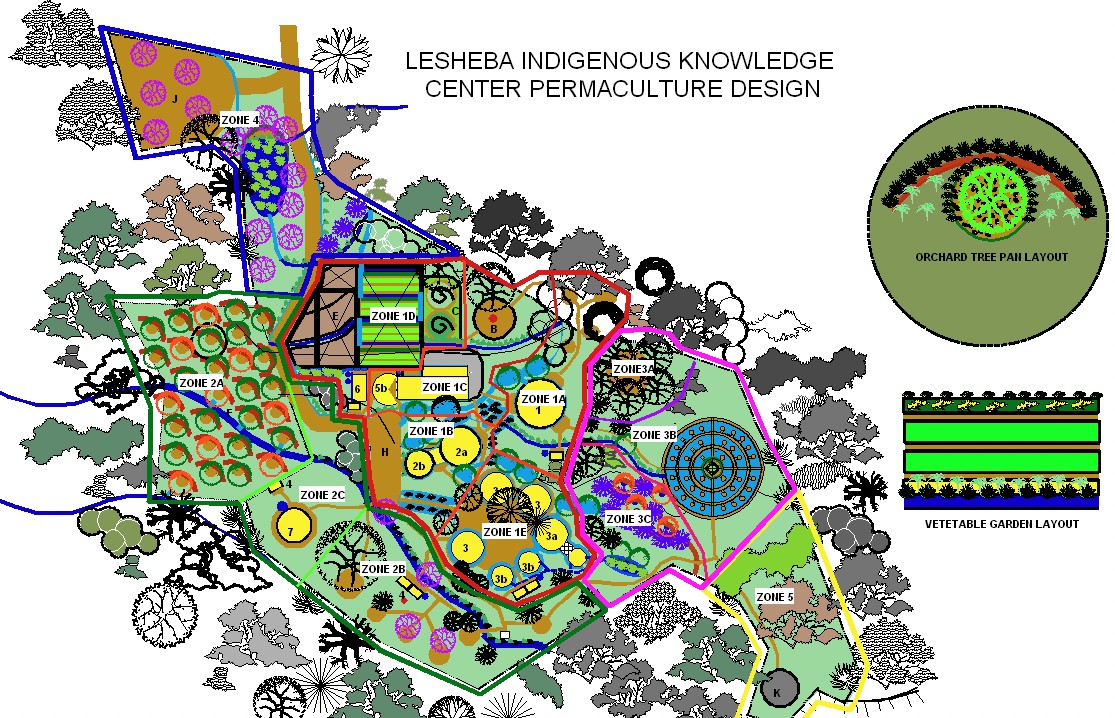
Afristar designed the Leshiba Indigenous Knowledge Permaculture Centre (2007), funded by the National Lotteries Commission, and worked with the Leshiba Community Development Trust on:
- Applied permaculture training for village homesteads
- Venda woodcarving and craft enterprise support
- The Vhembe Biosphere Expo (2007)
- The Light of Mercy Community Care Centre
Permaculture for Food Sovereignty, Ziguinchor, Senegal
This training, facilitated by Afristar Foundation for the Catholic Relief Services Ziguinchor office, was a basic introduction to applied permaculture in the Senegalese context. It emphasised sustainability at a local level and building the capacity of beneficiaries to achieve self-sufficiency in food production.
The training focused on methods for intensifying food production and prolonging the primarily rainfall-dependent growing season, through soil building, effective water management and comprehensive design and planning.
Themes covered: local impact of global environmental challenges; permaculture principles, theory and approach; methods of site analysis; water management principles and techniques; basic ecology; introduction to soils, soil management and rehabilitation; sustainable agriculture theory and practical application; integrated pest management; and designing for sustainability.
Education resources
20 educational posters, 250,000 printed, plus documentaries and the Permaculture Medicinal Gardens booklet. See Learn and Resources.
Work with us, or help us do more
Tell us about your project, or support Afristar's education, community and policy work.