Cannabis

Law reform, sector strategy and rural industrialisation.

Tens of thousands of smallholder households already grow cannabis in South Africa, and the 2024 Act gives them no commercial route.

Afristar has advocated for rational, scientific, common-sense cannabis policy since it was founded in 2003. Nicholas Heinamann has coordinated the SA Cannabis Parliamentary Lobby since 1996.

1996

SA Cannabis Parliamentary Lobby begins

1998

Hemp the Economic Imperative, presented to then Deputy President Thabo Mbeki

11

hemp and cannabis value chains assessed for the dtic

20,000 to 60,000

cannabis-farming households in Mpondoland alone, an estimate by the Umzimvubu Farmers Support Network. It is used in Harvesting Hope: Exploring the untapped potential of smallholder cannabis farming in South Africa, a 2023 MSc thesis (Wageningen University) by Tijmen Grooten, whose fieldwork Afristar hosted and supported. The 2021 National Cannabis Master Plan uses an estimate of 900,000 small-scale growers nationally.

Our position

Reclassify low-THC cannabis for commercial use, move it from Health to Agriculture, and regulate at the point of processing, not in the field.

Our submissions to Parliament

Where we work: Cannabis, the reconstruction and development crop

Hemp and cannabis can give South Africa food, fuel, fibre, housing and medicine from one plant. Our infographic sets out the problem, the plant, the global shift and the Afristar hub model: a co-operative way to put smallholder farmers at the centre and keep processing value in rural areas. The hub figures are our own modelling, not forecasts.

Open the infographic
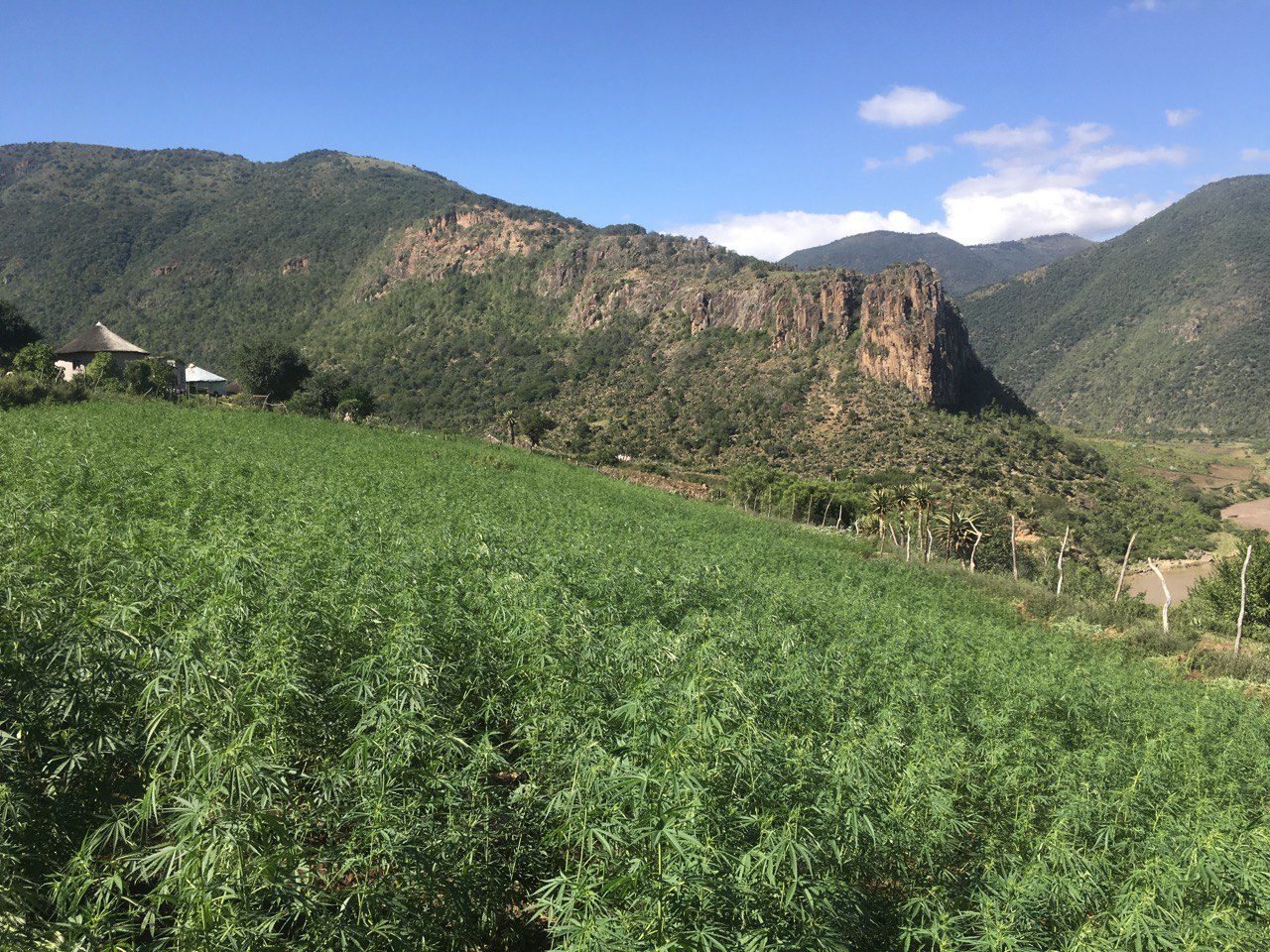
A field of cannabis on a hillside below a cliff, with a rondavel homestead

A plant that works in the landscape

In ecological design the cannabis plant does many jobs. The deep tap roots bring nitrogen up, the fallen leaves make a mulch that protects the soil, and the stalk and flower give a high-value cash crop of food, fibre, fuel and medicine.

It also opens a door past the old belief that there is not enough to go around. With cannabis as an economic driver we can plan the structural transformation of the rural fabric, from social grants to an empowered, motivated citizenry working towards common goals, and change the lives of nearly half our people, the rural poor.

The value chain, from seed to sale

The value in hemp and cannabis is made at every step between the seed and the shelf. Our approach is to keep as many of those steps as possible in the places where the plant is grown, so the money stays in the rural economy.

  1. 1

    Genetics and seed

    Landrace strains and seed banking

  2. 2

    Cultivation

    Smallholders and cooperatives on regenerative land

  3. 3

    Harvest and primary processing

    Drying, decortication and extraction at local hubs

  4. 4

    Manufacture

    Food, fibre, fuel and medicine products

  5. 5

    Testing and compliance

    Quality, licensing and traceability

  6. 6

    Market

    Domestic, regional and export routes

One plant, six raw materials

Every part of the plant has a market. This is the industrial hemp downstream processing chain.

Chart: the industrial cannabis and hemp downstream processing value chain. Six raw materials (whole plant, cell fluid, stalk, leaf, flower and seed) lead to processed streams and end products. Stalk gives bast fibre for textiles, paper and packaging, and hurd for building materials. Seed gives hemp seed oil for foods, industrial products and personal hygiene, seed cake for animal feed and protein, and food products. Flower gives extracts. Leaf gives animal bedding, mulch and compost. Whole plant gives boiler fuel and feedstock. Cell fluid gives abrasives and chemicals.

Tap or click the chart to enlarge it. The detail follows below.

The detail, by plant part

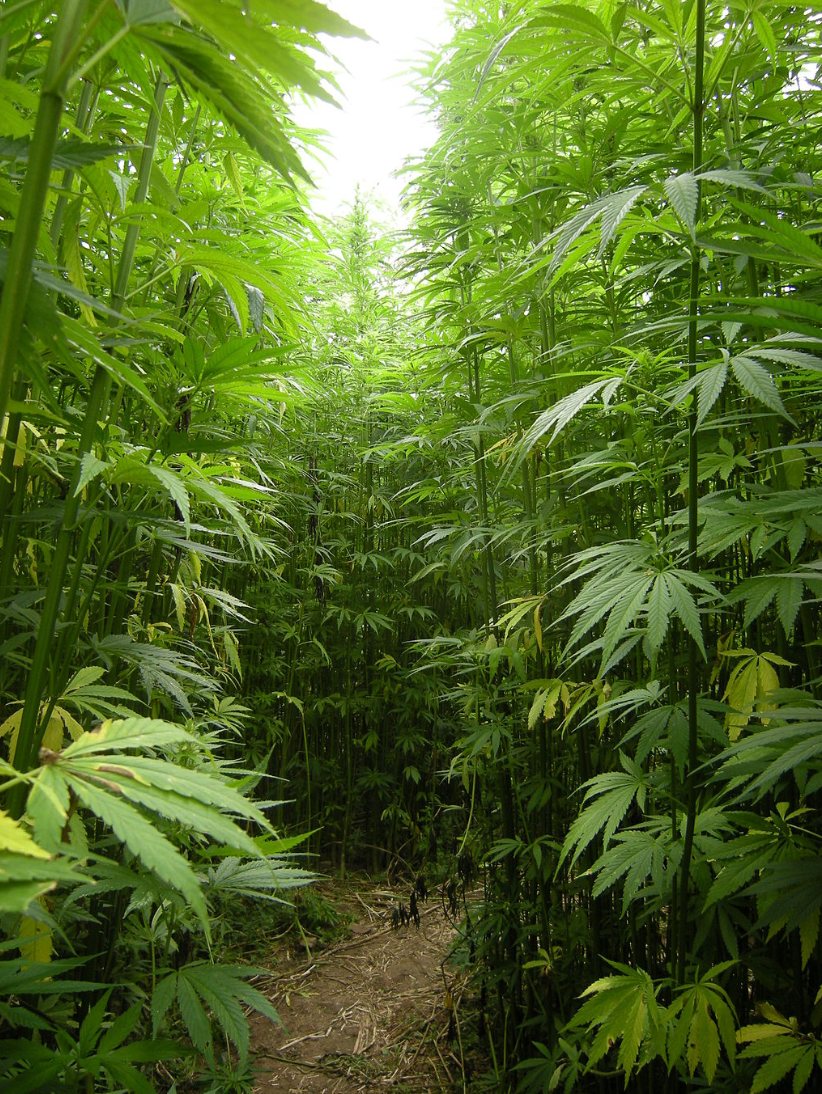
A path through tall hemp stalks

Stalk

Bast fibre

Consumer textiles: apparel, diapers, fabric, handbags, denim, shoes, fine fabrics.

Industrial textiles: twine, rope, nets, canvas, tarps, caulk, carpets, brake and clutch linings, composite moulded parts, geotextiles.

Paper and packaging: printing paper, fine and specialty papers, filter paper, newsprint, cardboard, packaging.

Hurd, shiv and pulp

Building materials: fibreboard, insulation, fibreglass substitute, cement, stucco and mortar.
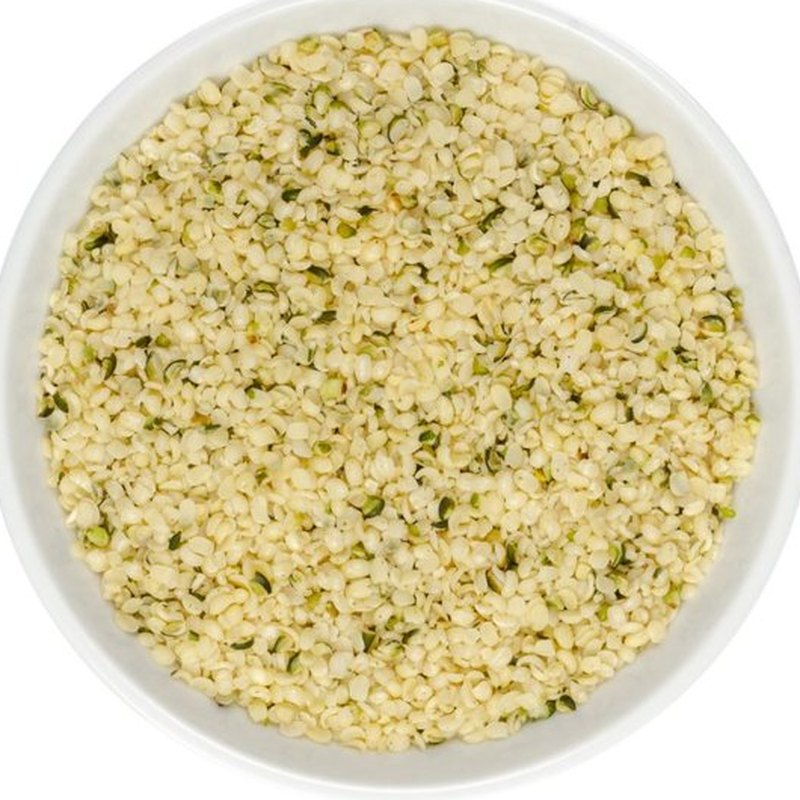
Hulled hemp seed in a white bowl

Seed

Hemp seed oil

Foods: food protein powder and vitamins, cooking and nutritional oil, margarine.

Industrial products: car parts, bioplastics, semiconductors, oil paints, varnishes, print ink, fuel, solvents, lubricants, putty, coatings.

Personal hygiene: soap, shampoo, bath gels, cosmetics, lotions, balms.

Seed cake

Animal feed, protein and rich fibre.

Food

Granola, birdseed, cereal bars, protein powder.

Close-up of a cannabis flower

Flower

Extracts

Oils, distillates and isolates.

Leaf

Animal bedding, mulch and compost.

Whole plant

Boiler fuel, pyrolysis and feedstock.

Cell fluid

Abrasives and chemicals.

HubsSmallholder and cooperative agro-processing hubs sit in the middle of the chain. They give farmers a place to process and sell, and they keep the value-adding work local. Afristar's technical lead on the dtic's Country Competitive Analysis assessed eleven hemp and cannabis value chains against a competitive benchmark.

Policy and regulation

2021

Enabling regulatory framework

Conceptualization, Motivation and Key Provisions for an Enabling Regulatory Framework for Cannabis in South Africa, by Webber Wentzel and an International Steering Committee. Commissioned and edited by Nicholas Heinamann as Interim Cannabis Coordinator at the Eastern Cape Rural Development Agency.

2022

Rapid industrialisation

Economic Feasibility Study: Rapid Industrialisation of Cannabis in the Eastern Cape, by Urban Econ. Commissioned and edited at the ECRDA.

2020 to 2022

Eastern Cape cannabis strategy

Co-developed the province's strategy with the ECRDA CEO. Coordinated a technical steering committee across DALRRD, DEDEAT, DSBD, the IDC, ECDC, provincial universities and SAHPRA. Delivered a producer training programme.

2023

The dtic, with the Blueprint team

Technical lead and co-author of the Situational and Value Chain Analysis (June 2023) and the Country Competitive Analysis, Phase One (November 2023), assessing eleven hemp and cannabis value chains. The draft Hemp and Cannabis Master Plan is aligned to this research.

Parliament and policy submissions

Afristar provides the policy research and drafting behind the SA Cannabis Lobby Group's submissions on the Cannabis for Private Purposes Bill. Ras Garreth Prince, chair of the Cannabis Development Council of SA (CDCSA), presents them to Parliament. Afristar presented on hemp.

Afristar works with Garreth Prince on the court submissions and strategy in the constitutional challenge to the Cannabis for Private Purposes Act.

Hemp presentation and written comment

On the hemp amendments to the amended Cannabis for Private Purposes Bill, Portfolio Committee on Justice and Correctional Services, April 2023. It argues that industrial cannabis should be regulated at the point of processing, not in the field, citing UNCTAD and the 1961 Single Convention, and draws on Wageningen research, sponsored by Afristar, on smallholder production in the Upper Mzimvubu.

Download the comment (PDF)

Afristar with partners

  • Comment on the Cannabis for Private Purposes Bill by the SA Cannabis Lobby Group: CDCSA, the Cannabis Industrial Development Cooperative of the Western Cape and the Afristar Cannabis Lobby Group (2020).
  • Conceptualisation, Motivation and Key Provisions for an Enabling Regulatory Framework for Cannabis, developed for the ECRDA by Webber Wentzel, Afristar Foundation and a volunteer project steering committee.
  • Rapid Industrialisation of Cannabis, public input presentation, with the Western Cape branch of the CDCSA. PDF
  • Presentation to the Portfolio Committee on Justice and Constitutional Development: public participation input on the hemp section of the Cannabis for Private Purposes Bill (May 2023). PDF
  • Formal objection and comment on the draft regulations under the Cannabis for Private Purposes Act (Government Notice R.7067), submitted to the Department of Justice on 5 March 2026. Full objection (PDF) · Summary (PDF)
  • Key Priority Areas for Cannabis Reform and Development, the Afristar Cannabis Lobby Group's draft civil society position for the Cannabis Phakisa. PDF
  • SA Cannabis Lobby Group submission to the Justice Committee. PDF

Cannabis Development Council of SA, Afristar a founding member

  • Comment on the Cannabis for Private Purposes Bill (8 October 2020). PDF
  • Presentation to the Parliamentary Portfolio Committee on Justice and Correctional Services.
  • Presentation to the NCOP Select Committee on Security and Justice, presented by Ras Garreth Prince.
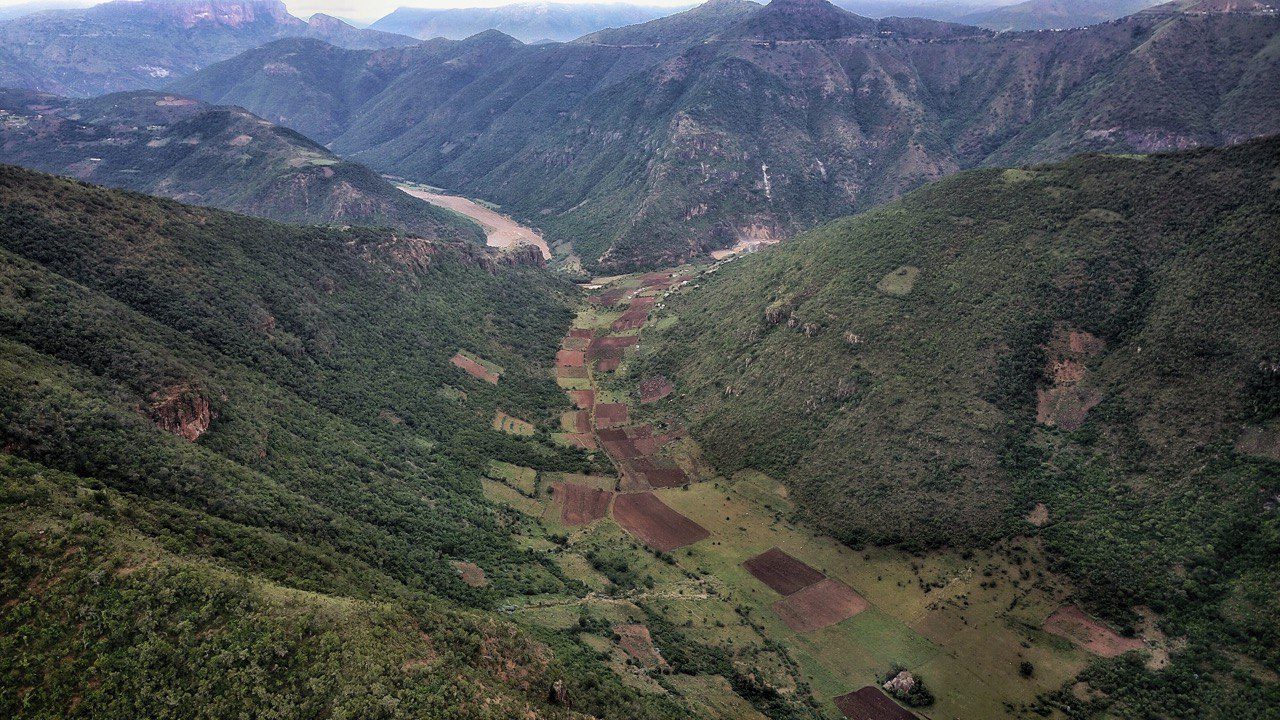
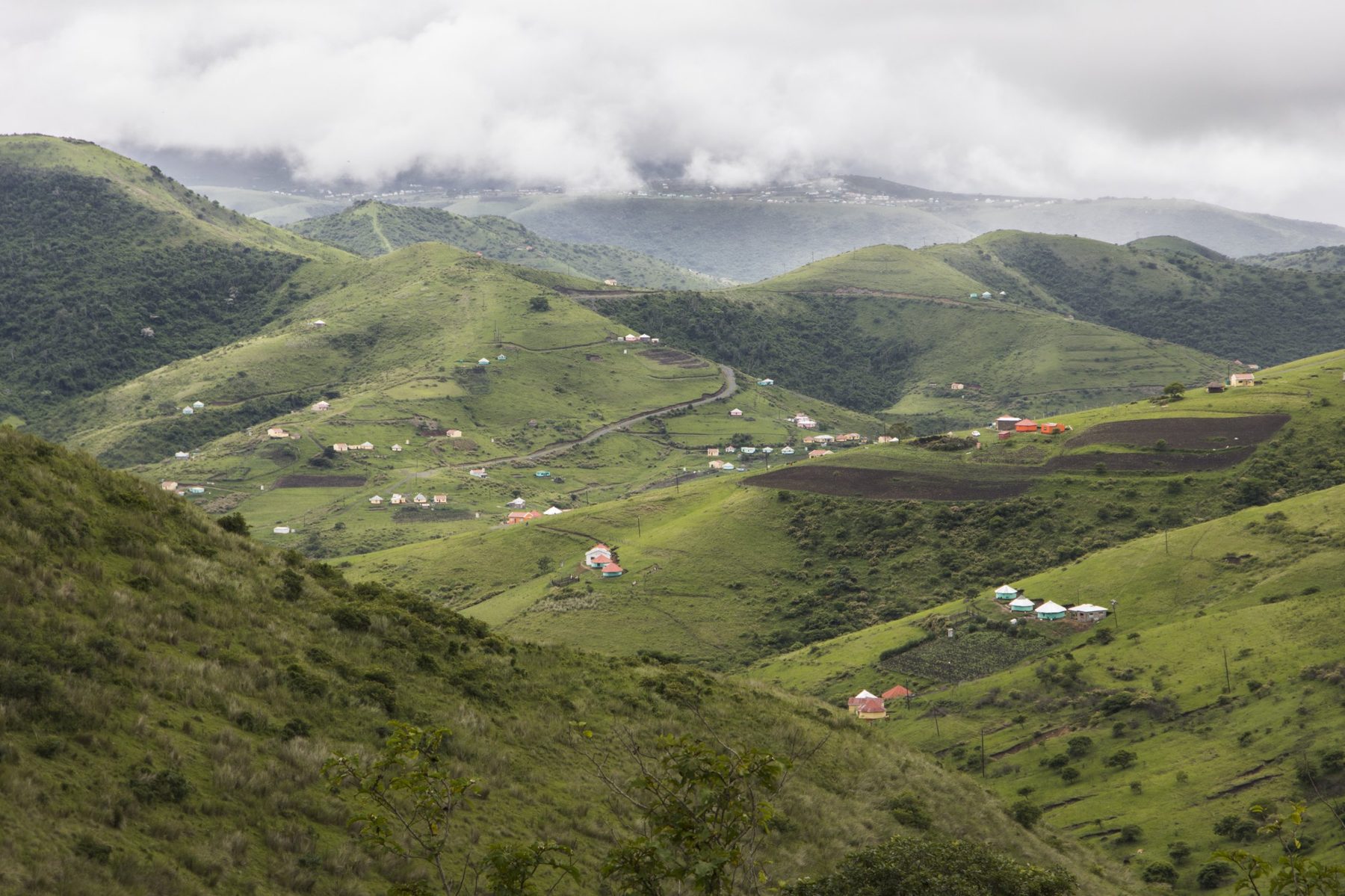
Aerial view of a river valley in the Eastern Cape with small fields on the valley floor Homesteads and fields on green hills in the Eastern Cape

The SA Cannabis Lobby Group

A partnership between the Western Cape branch of the Cannabis Development Council of South Africa (CDCSA) and Afristar Foundation. It was formed as an umbrella body to represent civil society, to lobby Parliament on the health and socio-economic potential of the plant, and to undo the legacy of 120 years of racist and scientifically baseless cannabis prohibition.

We advocate a rational, scientific and agricultural approach to cannabis legislation. We see the plant as South Africa's primary reconstruction and development agent, putting the country at the forefront of the emerging global cannabis industry.

Industrial cannabis and hemp

Reclassify low-THC cannabis for commercial use and move it from the Department of Health to Agriculture. Build on our landrace strains, which are naturalised, drought tolerant and already grown by tens of thousands of farmers, and regulate at the point of processing, not in the field.

Medical purposes

Access to cannabis medicine and preventative health care for all who seek it, with research based on efficacy, including indigenous knowledge and regional genetics.

Responsible adult use

Extend the Constitutional Court privacy ruling to cultivation, extraction, manufacture and sale, regulated along the lines of alcohol and tobacco.

Green restoration

Cannabis users are not criminals. Expunge the records, run a social equity programme for victims of the "dagga act", and restore dignity through meaningful work growing food, fibre, fuel, shelter and medicine.

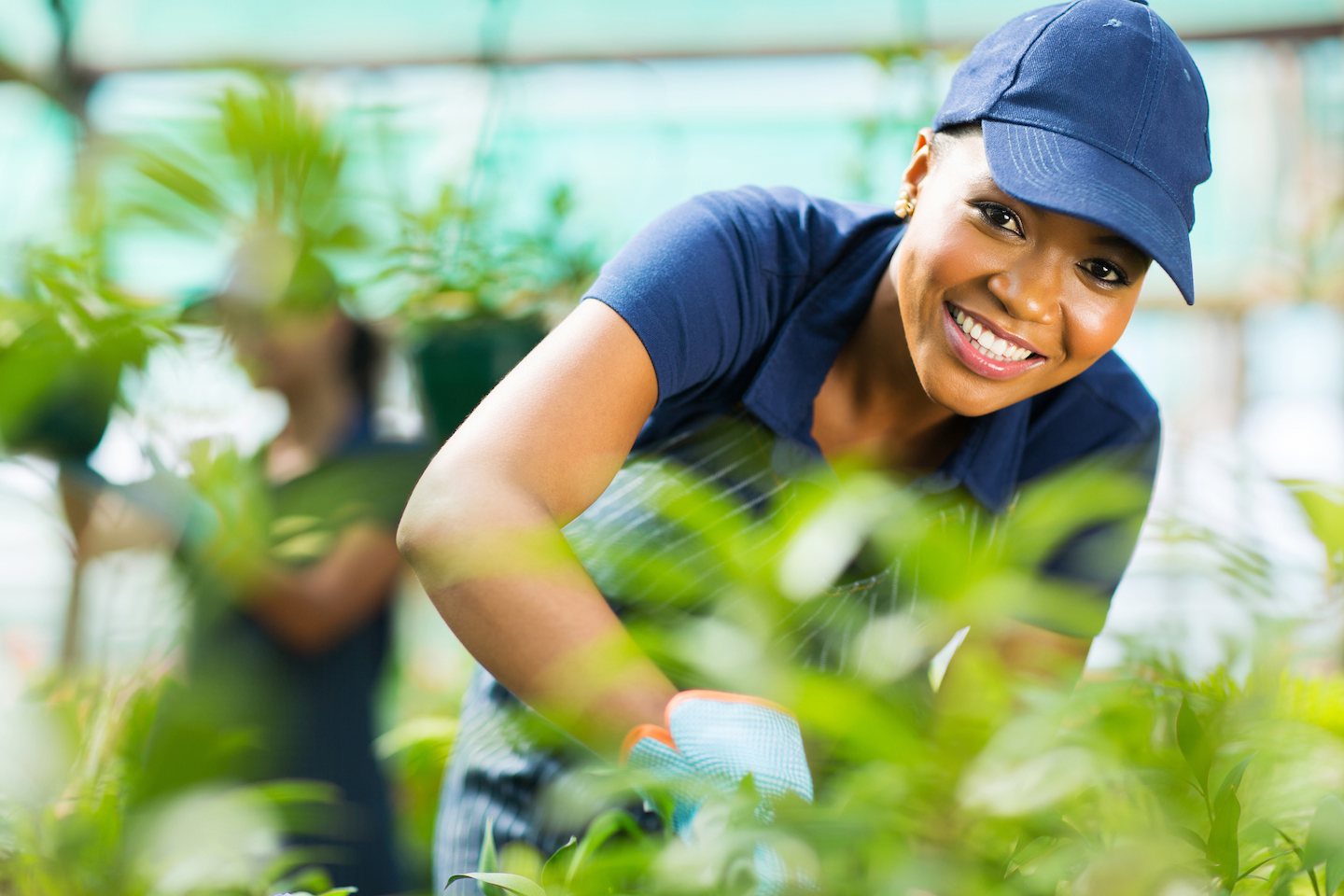
A smiling worker in a cap tending young cannabis plants in a greenhouse

Cannabis consulting: development in Africa

We work with governments, development agencies and funders to build African cannabis and hemp value chains from policy and the rural base up. Our years of information, education and advocacy have given us a broad view of the policy and value chain that shape this sector. We are committed to the social impact of medical cannabis and industrial hemp, creating food, fuel, fibre and medicine as the basis for African rural regeneration.

  • Policy development and advocacy
  • Sector strategy and value chain analysis
  • Enabling regulation and permit models for smallholders and landrace communities
  • Rural development planning, with smallholder and cooperative hub models
  • Industrial hemp strategy, lobbying and routes to market
  • Farmer training and skills transfer
  • Cannabis media, documentaries and short web media

Talk to us